We envision a united Australia where Aboriginal and Torres Strait Islander peoples and their cultures are respected, valued, and celebrated.
As Australia’s energy system transforms, we see an opportunity to work together to deliver a more sustainable future, grounded in respect for Country and shaped by the knowledge and aspirations of First Nations communities.
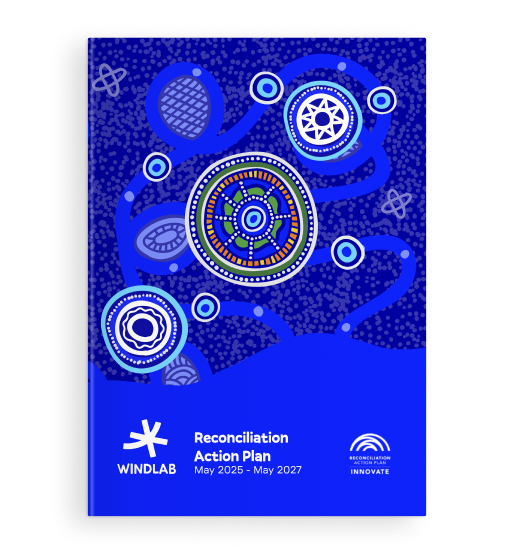
Read our full Innovate Reconciliation Action Plan to learn more about our commitments and progress.
This RAP is more than a plan—it’s our pledge to continue to use our renewable energy projects as platforms to amplify First Nations voices, promote sustainable land stewardship and environmental protection informed by Traditional Owners’ knowledge, and deliver meaningful outcomes in employment, education, and enterprise for Aboriginal and Torres Strait Islander peoples.

We develop renewable energy projects on Country that has deep and sacred significance to Traditional Owners.
We recognise the enduring connection of Aboriginal and Torres Strait Islander peoples to Country and are committed to working together throughout the life of our projects.
Our approach is guided by three pillars:
We strengthen cultural understanding, awareness, and safe, inclusive behaviours across our workplace.
We work with Traditional Owners and the broader First Nations community through early, ongoing, and meaningful engagement based on trust and transparency.
We support participation, employment, and shared benefits that create lasting value for communities.
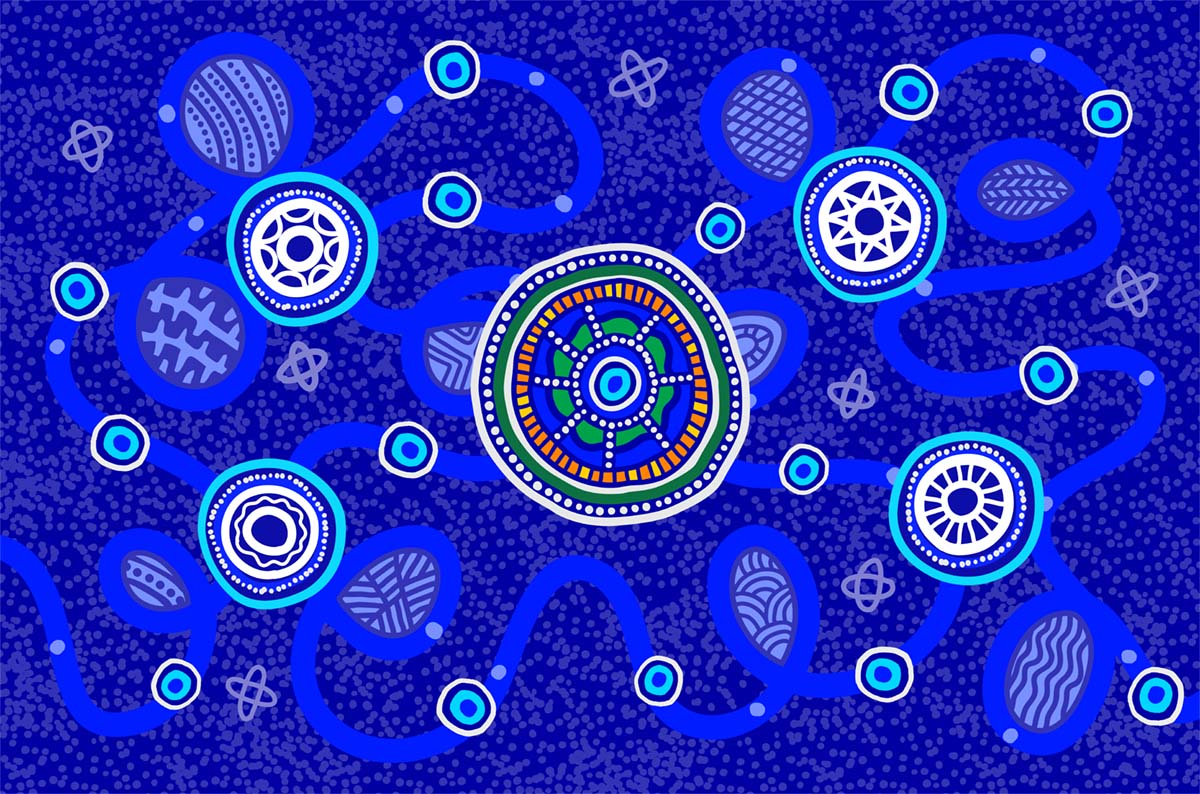
The RAP artwork reflects Windlab’s commitment to supporting communities through renewable energy and to delivering meaningful outcomes on Country.
At its centre is Windlab’s Acknowledgement and Reconciliation icon, representing respect for Traditional Custodians and our ongoing commitment to reconciliation.
Flowing throughout the design are healing waterways, shown as journey lines that represent shared learning, connection and cultural exchange. These connect Country pods, symbolising the diversity of First Nations Countries, cultures and knowledge systems.
Subtle elements honour the presence of ancestors, while guiding stars reflect the importance of past knowledge in shaping future actions.
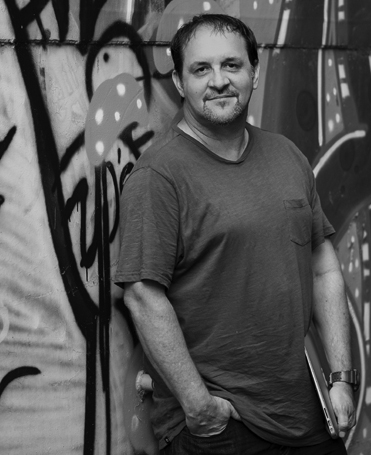
Leigh Harris is a Cairns-based Aboriginal creative and digital designer whose career spans more than 25 years. As founder and director of Indigenous creative design agency ingeous studios, Leigh has built a reputation for creating authentic, culturally informed design that connects people, places, and stories. He has traditional connections to the Kangulu people of Central Queensland and the Gungarri people of South East Queensland.
Driven by a passion for creativity, culture, and community, Leigh partnered with NorthSite Contemporary Arts in 2019 to establish IndigeDesignLabs. Through this initiative, he mentors emerging creatives and inspires young people to pursue opportunities in digital and creative design.
Leigh's work blends Indigenous perspectives with contemporary design, creating visual narratives that reflect knowledge, connection, and shared understanding. His artwork for Windlab's RAP embodies this approach, illustrating themes of learning, collaboration, and the connection between renewable energy projects and Country.
We translate our commitments into practical, everyday actions across our work.
We build awareness and understanding across our workforce, including initiatives to support people to recognise and respond to racism in a safe and appropriate way.
We are committed to ensuring everyone feels safe, respected, and supported at work. This includes strengthening policies, support systems, and expectations across the business.
We engage with Aboriginal and/or Torres Strait Islander voices to inform our approach, helping shape how we build knowledge, capability, and confidence across our teams.
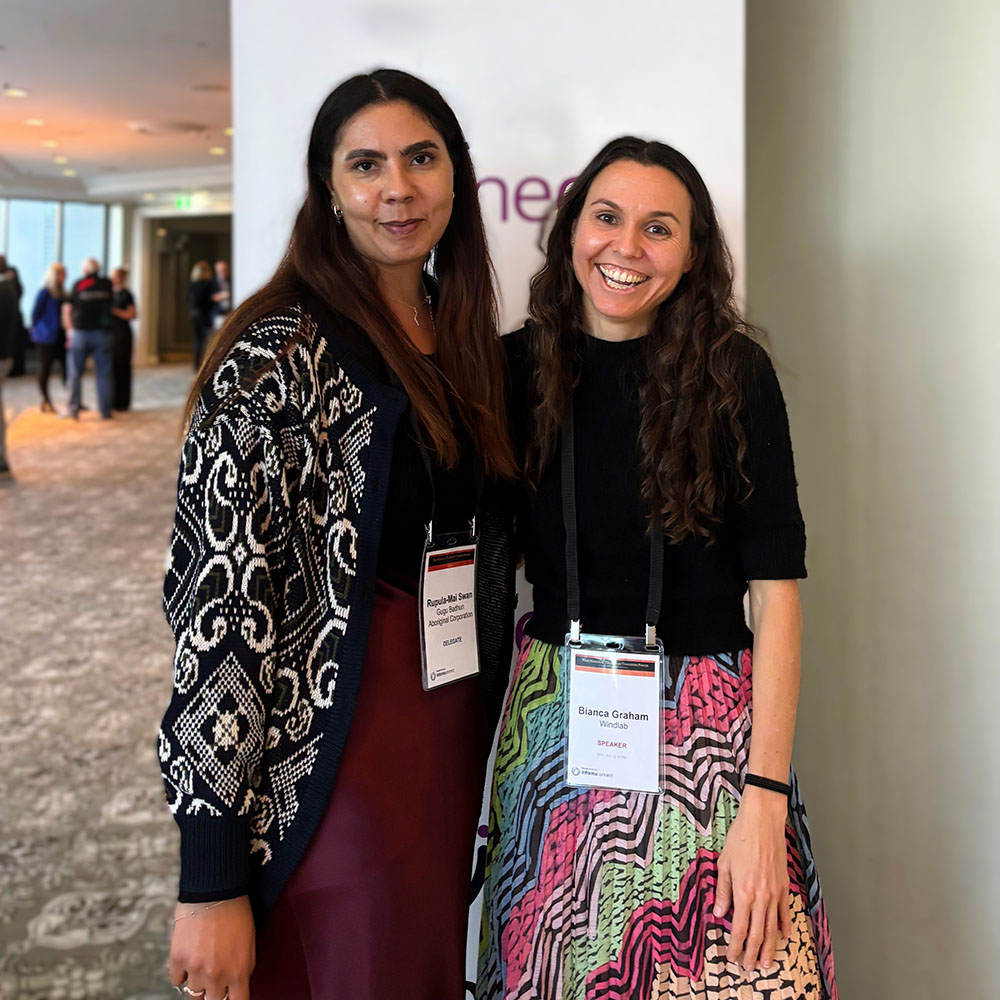
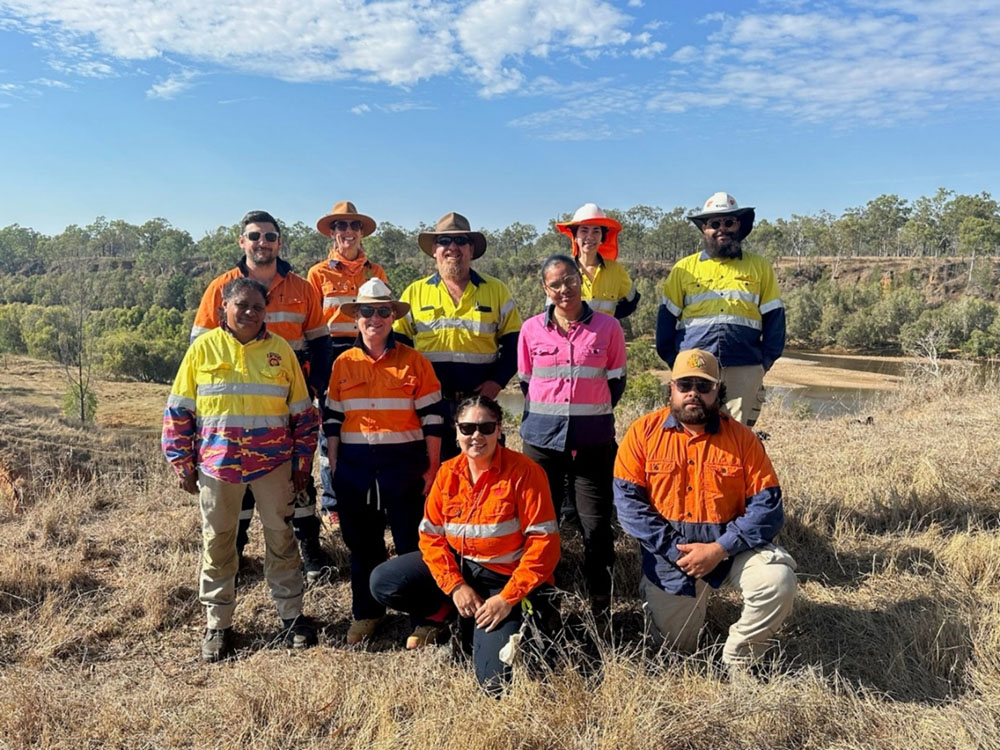
Respectful engagement with Traditional Owners as rights-holders is central to how we deliver our projects.
Our Traditional Owner Engagement Guide sets out a consistent approach to:
Working together to manage impacts and support participation across the project lifecycle.
This approach supports stronger relationships grounded in respect.
We are committed to continuously improving how we embed cultural values and safety in the way we work.
This includes:
We recognise that reconciliation requires ongoing effort, reflection, and accountability.